

How to Evaluate DSD Vendors to Avoid Mistakes
In our ongoing series on why changing a Direct Store Delivery (DSD) systems, we have covered when and why to upgrade, followed by a hypothetical ROI analysis showing the financial upside. Now, as you move toward implementation, the next critical step is selecting the right vendor. Choosing poorly can lead to ballooning costs, integration headaches, and lost productivity, potentially turning a smart investment into a regrettable expense. In this article, I outline a step-by-step guide to evaluate DSD vendors, drawing from industry best practices and insights from top providers. By following this framework, you can minimize risks, ensure alignment with your business needs, and secure a solution that delivers long-term value.
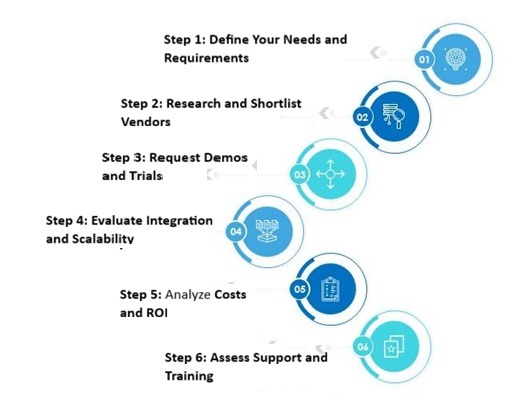
Step 1: Define Your Needs and Requirements
Before contacting vendors, clarify what you need from a DSD system. Start with an internal audit: Assess your current pain points, such as route inefficiencies or inventory inaccuracies, and prioritize features like AI route optimization, real-time tracking, or mobile invoicing.
- Key Considerations: Factor in your industry (e.g., beverages, food), scale (number of routes/drivers), and integrations (ERP like SAP or QuickBooks).
- Create an RFP (Request for Proposal): Document must-haves (e.g., offline capabilities) vs. nice-to-haves (e.g., predictive analytics). This ensures vendors address your specifics, avoiding generic pitches.
Mistake to Avoid: Skipping this step often leads to overbuying features you don’t need, inflating costs by 20-30%.
Step 2: Research and Shortlist Vendors
Cast a wide net to identify top players. In 2026, leading DSD vendors include LaceUp, Numeric Computer Systems, and enterprise options like SAP or Oracle. Use free resources like vendor websites and comparison tools to filter by pricing model (subscription vs. perpetual) and deployment (cloud vs. on-premises).
Step 3: Request Demos and Trials
Hands-on testing is non-negotiable. Schedule customized demos where vendors showcase how their software solves your specific challenges.
- What to Look For: Ease of use (intuitive mobile apps for drivers), performance (speed of route planning), and customization.
- Pilot Programs: Opt for 30-60 day trials with real data to test in your environment. This reveals hidden issues like integration glitches.
Step 4: Evaluate DSD Vendors Integration and Scalability
A great standalone tool is useless if it doesn’t play well with your ecosystem. Confirm seamless integration with existing systems (e.g., ERP, CRM) and future-proofing for growth. Mistake to Avoid: Underestimating integration costs, which can add 20-50% to the total budget.
Step 5: Analyze and Evaluate DSD Vendors Costs and ROI
Beyond sticker price, calculate the total cost of ownership (TCO) to include setup, training, maintenance, and potential downtime.
- Pricing Models: Compare subscriptions to one-time fees.
- ROI Projection: Use tools from our previous article to estimate savings (e.g., 10-20% efficiency gains) against costs.
Step 6: Assess Support and Training
Post-purchase support determines long-term success. Evaluate SLAs (Service Level Agreements) for response times and ongoing optimization.
- Training Programs: Look for comprehensive onboarding to boost adoption rates.
- Community and Resources: Vendors with active Blogs, user forums, or dedicated account managers add value.
The image summarizes the process to evaluate DSD Vendors.
Conclusion
A DSD upgrade is one of the most impactful operational decisions a distributor can make, but only if the right vendor is chosen. The most expensive mistake is not investing in modern DSD technology. It is investing in the wrong one. Evaluate DSD vendors through an operational and financial lens, not a marketing one and turn a risky decision into a strategic advantage.
At LaceUp Solutions, we explore how technology transforms distribution, from warehouse management and route optimization to digital sales enablement. Subscribe to the LaceUp Blog for weekly insights on wholesale growth, innovation, and the future of logistics. For more information, please get in touch with us to learn about our solutions.
I hope this article about how to evaluate DSD vendors have been helpful. I will continue to post information related to management, distribution practices and trends, and the economy in general. Our channel has a lot of relevant information. Check out this video on How AI Will REALISTICALLY Help Your Company.
Sorry, the comment form is closed at this time.