

AI in Distribution Part 2: AI WMS Optimize Inventory Velocity
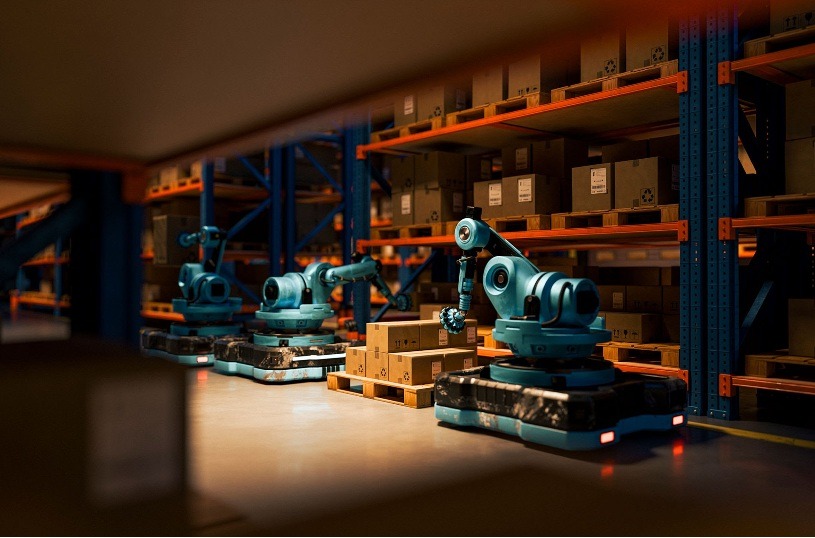
Historically, a WMS acted as a static digital ledger: a system designed to track what inventory arrived, where it was stored, and when it departed. While sufficient for simpler supply chains, traditional systems lack the agility required to handle the modern mix of high-volume SKUs and rapid order turnover. To keep pace, modern distributors are embedding artificial intelligence directly into warehouse operations for an AI WMS, transforming rigid rule-based systems into dynamic, self-optimizing ecosystems.
This article is the second in our series about Artificial Intelligence embedded in distribution systems. The first article explored how AI is improving Direct Store Delivery operations through smarter forecasting and route optimization. In this article, I will focus on how AI WMS is changing warehouse operations and why distributors are increasingly adopting intelligent warehouse technologies to improve efficiency and scalability.
What Is AI WMS?
An AI WMS combines traditional Warehouse Management System functionality with Artificial Intelligence capabilities such as predictive analytics, machine learning, pattern recognition, and intelligent automation. Traditional WMS platforms are excellent at recording inventory movements, processing receiving transactions, managing picking tasks, and controlling warehouse locations. However, they generally depend on fixed operational rules and manual decision-making.
AI changes this model by allowing the system to learn from historical and real-time operational data. Instead of simply executing tasks, the system begins identifying trends, predicting operational needs, and generating recommendations automatically.
AI WMS Improves Inventory Optimization
Inventory management is one of the areas where Artificial Intelligence delivers immediate value. AI enables the system to evaluate inventory behavior and forecast future needs more accurately. For example, AI can identify products that are moving faster than expected due to seasonal demand, promotions, or regional purchasing trends. The system can then recommend replenishment adjustments before shortages occur. By improving inventory visibility and forecasting, distributors can reduce waste while improving product availability and service levels.
Smarter Picking and Labor Optimization
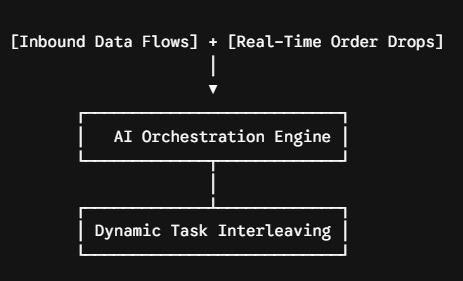
Warehouse labor management has become one of the biggest operational challenges in the distribution industry. Labor shortages, rising wages, and productivity pressure are forcing distributors to improve efficiency without sacrificing accuracy. AI-driven warehouse systems help optimize labor by analyzing operational behavior in real time. Artificial Intelligence can also dynamically reorganize picking priorities based on shipping deadlines, order urgency, and operational workload.
This improves: Picking productivity, Order accuracy, Labor allocation, Shipping speed, AND Workforce planning.
Better Space Utilization and Slotting
AI WMS platforms can continuously analyze product velocity and warehouse movement patterns to improve slotting decisions. Fast-moving products can be relocated closer to shipping zones, while slower-moving inventory may be positioned in secondary storage areas. The system can also identify inefficient storage patterns that increase travel time or create congestion. This allows distributors to maximize warehouse capacity while reducing unnecessary movement inside the facility.
Predictive Maintenance and Equipment Monitoring
Many modern warehouses rely heavily on forklifts, conveyors, scanners, automation systems, and other material-handling equipment. Artificial Intelligence helps warehouse operations move from reactive maintenance to predictive maintenance by analyzing equipment performance data. The system can identify signs of potential failures before breakdowns occur, allowing maintenance teams to intervene earlier and reduce operational disruptions.
AI WMS and Real-Time Decision Making
One of the biggest advantages of Artificial Intelligence is the ability to process large amounts of operational data in real time. Traditional warehouse reporting often analyzes what has already happened. AI helps warehouse managers understand what is happening now and what is likely to happen next.
For example, the system may detect that:
- Picking activity is falling behind schedule
- Shipping bottlenecks are developing
- Certain products may face shortages
- Receiving volume is exceeding labor capacity
- Replenishment tasks are not keeping pace with demand
Instead of discovering problems after service levels are affected, managers can respond proactively before disruptions occur. This creates a faster, more agile warehouse operation that can adapt to changing conditions throughout the day.
Integration Is Critical
The full value of Artificial Intelligence appears when warehouse systems are integrated with the rest of the distribution operation. Modern warehouse platforms increasingly connect with:
- Direct Store Delivery systems
- ERP platforms
- Route accounting systems
- Transportation Management Systems
- Retailer portals
- E-commerce platforms
- Automated picking technologies
For companies seeking a deeper understanding of Warehouse Management Systems, the article about Warehouse Management System (WMS) provides additional background on the evolution and functionality of warehouse technology.
Challenges of Implementing AI WMS
Although the benefits are significant, implementing Artificial Intelligence inside warehouse operations requires preparation and planning.
- Data quality remains one of the
- The biggest factors affecting AI performance. Inaccurate inventory records, disconnected systems, or inconsistent operational processes can reduce forecasting reliability and limit system effectiveness.
- Distributors must also prepare employees to work alongside intelligent technologies. AI is not replacing warehouse teams; instead, it is helping employees make faster and more informed operational decisions.
- Scalability is another important consideration. Distributors should ensure the platform can support future growth, additional facilities, automation technologies, and increasing operational complexity.
- Finally, selecting a warehouse platform designed specifically for distribution operations is critical. Industry-specific functionality often produces better operational results than generic software platforms.
Conclusion
AI WMS solutions help distributors move beyond reactive warehouse management by enabling operations to predict demand, optimize workflows, and respond dynamically to changing business conditions. In the next article of this series, we will explore how Artificial Intelligence is transforming Route Accounting systems through smarter reconciliation, collections forecasting, financial visibility, and back-office automation.
At LaceUp Solutions, we explore how technology transforms distribution, from warehouse management and route optimization to digital sales enablement. Subscribe to the LaceUp Blog for weekly insights on wholesale growth, innovation, and the future of logistics. For more information, please get in touch with us to learn about our solutions.
I hope this article have been helpful. I will continue to post information related to management, distribution practices and trends, and the economy in general. Our channel has a lot of relevant information. Check out this video on How to Make Your Distribution Company More Profitable.
Sorry, the comment form is closed at this time.